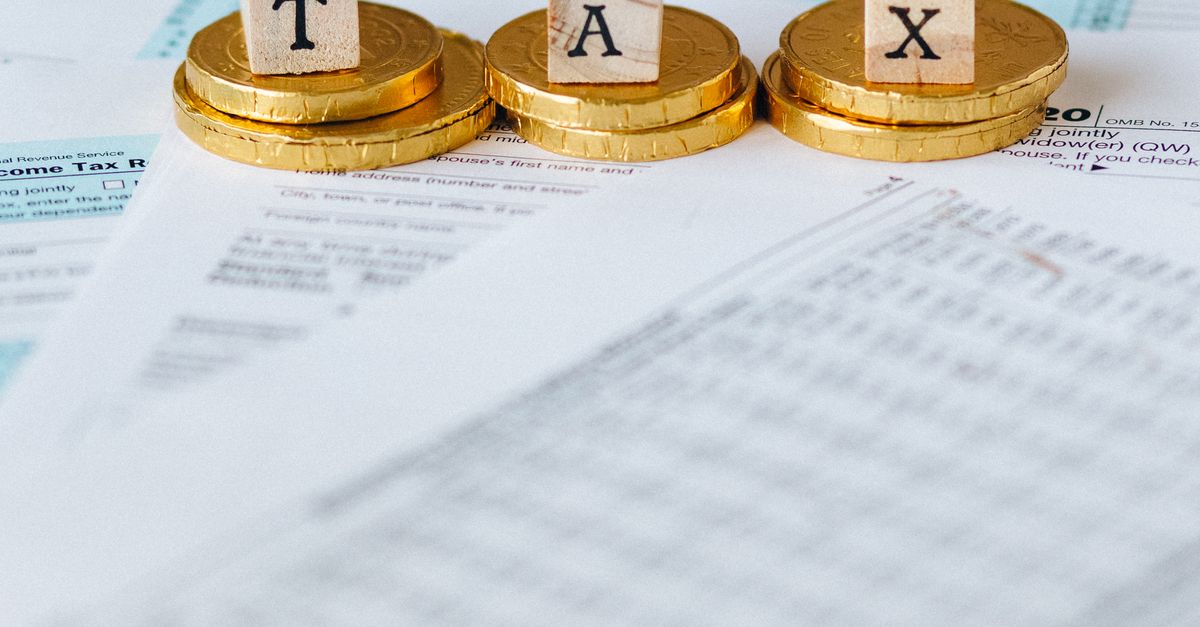
Tax Deductions Available for Seniors in Australia
Table Of Contents
Deductions for Charitable Donations
Seniors may find that making charitable donations not only benefits the causes they care about but also offers a financial advantage through tax deductions. Donations made to registered charities can be claimed on an individual's tax return, potentially reducing their overall taxable income. This can be especially beneficial for retirees who may be on a fixed income and looking for ways to lessen their tax burden.
When planning to make charitable contributions, seniors should keep accurate records of all donations. This includes maintaining receipts and documentation from the charities, which are essential for claiming deductions. It is important to note that only contributions to eligible organisations are eligible for tax deductions, so verifying the charity's registration status with the Australian Charities and Not-for-profits Commission ensures compliance and maximises tax benefits.
Supporting Causes While Reducing Tax Liability
Charitable donations provide a valuable opportunity for seniors to support causes they care about while also gaining potential tax benefits. When individuals contribute to registered charities, they can claim deductions on their tax returns for the amount donated. This allows seniors to lower their taxable income, ultimately reducing their overall tax liability at the end of the financial year. It’s essential to maintain receipts and ensure the charity is registered with the Australian Charities and Not-for-profits Commission to qualify for these deductions.
In addition to helping the community, these contributions can foster a sense of purpose and connection for many seniors. Engaging with charities can enhance social interactions and encourage a spirit of generosity that enriches their retirement experience. By strategically choosing which causes to support, seniors can align their philanthropic efforts with their values, all while taking advantage of the financial benefits that come with tax deductions.
Home Office Deductions for Seniors
Many seniors who are working from home or managing their own businesses can benefit from home office deductions. These deductions can help offset the costs associated with running a workspace within their homes. Expenses such as utility bills, internet usage, and office supplies may qualify. To claim these deductions, seniors must accurately calculate the portion of their home used for business purposes, ensuring they keep detailed records to support their claims.
Remote work has become increasingly common, making it essential for seniors to understand what they can deduct. The Australian Taxation Office provides guidelines on how to calculate expenses based on hours worked and the specific area of the home dedicated to work. Seniors can choose between two main methods: the fixed rate method or the actual expense method. Each approach offers unique benefits, so understanding the options is crucial for maximising available deductions.
Claiming Expenses Related to Remote Work
Many seniors engaging in remote work can take a significant financial advantage by claiming related expenses. Costs associated with home office setup, such as internet bills and utility expenses, may be eligible for deduction. If a portion of the home is exclusively used for work, seniors can also consider deducting a percentage of rent or mortgage interest. It is essential to maintain accurate records of these expenses to support claims adequately.
To maximise benefits, seniors should be aware of the different methods available for calculating home office expenses. The fixed rate method allows for a straightforward deduction amount per hour worked from home. Alternatively, the actual cost method involves calculating the actual expenses incurred. Whichever method is chosen, it is crucial to ensure compliance with the Australian Taxation Office guidelines and maintain documentation to substantiate any claims made.
Investment Income and Deductions
For many seniors in Australia, managing investment income can be a key part of financial planning. Various deductions are available to help ease the tax burden associated with earnings from investments. Costs related to income-producing investments, such as account management fees, financial advice, or the expenses of maintaining an investment property, can often be claimed. These deductions provide a vital opportunity for seniors to retain more of their hard-earned money.
Additionally, seniors who hold shares or bonds may also qualify for certain tax offsets. The 50% capital gains tax discount applies to individuals over the age of 55 when they sell an asset held for more than a year. This can significantly reduce tax obligations, allowing seniors to better manage their assets and enhance their financial stability during retirement. Understanding these options is crucial for making informed decisions regarding investment strategies and overall income management.
Managing Taxes on Investment Earnings
For seniors in Australia, managing taxes on investment earnings can provide significant savings and benefits. Understanding the tax implications of dividends and capital gains is crucial. Seniors often benefit from various tax offsets and exemptions, including the 50% discount on capital gains for assets held longer than 12 months. This can effectively reduce the assessable income derived from substantial investments, making it essential to keep records and maximise potential claims.
Additionally, income from certain investments, such as franked dividends, may be taxed at a lower effective rate due to the franking credits attached. Seniors may be eligible for an offset or even a refund depending on their overall tax situation. Properly planning investment strategies while being aware of the applicable tax laws can enhance financial stability, allowing seniors to optimise their returns and reduce their overall tax burdens.
FAQS
What types of charitable donations can seniors claim as tax deductions in Australia?
Seniors can claim deductions for donations made to registered charities and other deductible gift recipients. This includes monetary gifts, as well as the value of goods donated.
Are there specific requirements for claiming home office deductions?
Yes, seniors must have a dedicated work area at home and keep records of expenses such as electricity, internet, and office supplies related to their work. The claim must be for the portion of the expenses that relate to the work performed.
How can seniors manage taxes on their investment income?
Seniors can manage taxes on their investment income by utilising available tax deductions, offsetting capital gains with losses, and considering the tax implications of different types of income, such as dividends or interest.
Is there a maximum amount seniors can claim for home office expenses?
There is no fixed maximum amount; however, seniors must ensure that their claims are reasonable and directly related to their work activities. The Australian Taxation Office (ATO) provides guidelines on calculating claims.
Can seniors receive tax benefits for investments held in superannuation?
Yes, seniors can benefit from lower tax rates on earnings within a superannuation fund, especially when they are in the retirement phase, making it a tax-effective way to manage investment income.
Related Links
Planning Your Estate: Tax Considerations for RetirementEssential Tax Strategies for Retirees in Perth
Tax Implications of Selling Your Family Home Upon Retirement
Preparing for Healthcare Costs: Tax Deductions in Retirement
The Impact of Capital Gains Tax on Your Retirement Savings
Navigating the Tax Landscape for Pensioners in Australia
The Role of Age Pension and Its Tax Consequences
How to Maximise Your Retirement Income Through Tax-effective Strategies