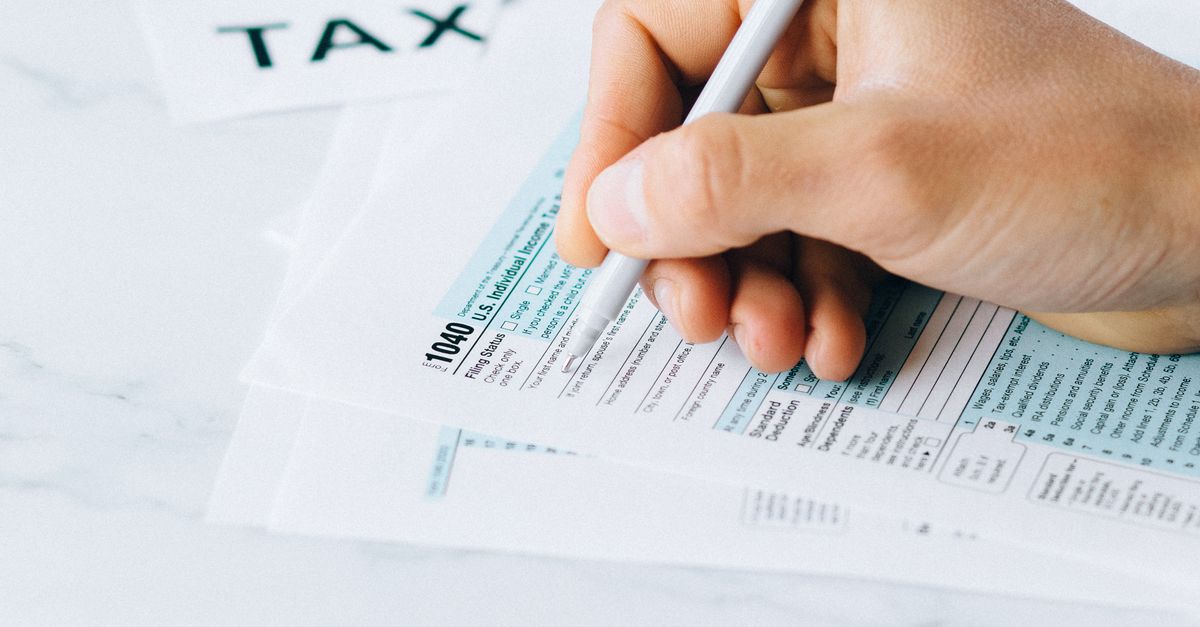
A Guide to Claiming Work-Related Expenses in Your Tax Return
Table Of Contents
Tools and Equipment Expenses
When it comes to claiming work-related expenses, tools and equipment essential for your job can provide significant deductions. This includes a range of items like laptops, software, and professional instruments specific to your field. Ensure that you keep receipts and any documentation that validates your purchase. Only items used primarily for work purposes are eligible, so it's crucial to differentiate between personal and professional use.
Claiming these expenses requires accurate record-keeping. You may need to calculate the percentage of time you use an item for work compared to personal use. Include this information when preparing your tax return. In some cases, depreciation on equipment may also be claimed, allowing for the value of an asset to be spread over its useful life. Familiarising yourself with the relevant tax guidelines will ensure you optimise your claims effectively.
How to Deduct Work Tools and Equipment
When claiming deductions for work tools and equipment, it's essential to keep thorough records of your purchases. This includes receipts and invoices that clearly outline the costs. You can claim the full cost of tools if they are used exclusively for work. If the items are used for both work and personal purposes, you can only claim a deduction for the portion that relates to your work use.
Additionally, specific guidelines apply to high-value equipment. Assets that cost over a certain threshold, like computers or machinery, generally need to be depreciated over a set period rather than claimed as a single deduction. Understanding whether you should claim an immediate deduction or apply depreciation can significantly impact your taxable income. Always ensure that the claimed items are directly connected to your job to comply with Australian taxation laws.
Travel Expenses During Work
When employees travel for work-related purposes, they often incur various expenses that can be claimed on their tax return. This includes costs for public transport, car travel, parking fees, and accommodation when overnight stays are necessary. It’s essential to keep detailed records of these expenses, such as receipts and travel itineraries, as they will support your claims and ensure compliance with tax regulations.
To claim travel expenses, individuals should separate personal travel costs from work-related expenses. For car travel, you can choose between the cents-per-kilometre method or the logbook method, each with its own calculation and record-keeping requirements. If you stay away from home overnight for work, accommodation and meal expenses can also be claimed, provided they are directly associated with your professional duties. Being organised with documentation not only simplifies the claiming process but also maximises potential deductions.
What You Need to Know About Travel Claims
When claiming travel expenses, it's essential to keep detailed records of your trips. This includes maintaining receipts for fuel, accommodation, meals, and other related costs. You should also document your travel itinerary, noting the dates, locations, and the purpose of each trip. This information not only substantiates your claims but also helps you accurately assess your deductible amounts.
Certain travel expenses qualify for deductions, including costs incurred while travelling between your workplace and alternate locations for work purposes. For example, if you attend a meeting or visit a client, the travel expenses related to these activities may be claimable. It’s crucial to differentiate between personal travel and work-related travel to ensure compliance with Australian tax laws. Keeping meticulous records simplifies the claims process and strengthens your position during tax assessments.
Education and Training Expenses
Investing in education and training is often essential for career advancement, and many professionals can claim these expenses on their tax returns. This includes costs associated with courses, workshops, and conferences that directly relate to your current job or field of expertise. Receipts and invoices will be necessary to substantiate your claims, so it is crucial to keep detailed records of your educational pursuits.
Moreover, not all education expenses qualify for tax deductions. It's important to ensure that the training is directly connected to your work and not aimed at gaining a new profession or career. Eligible expenses can include tuition fees, course materials, and sometimes even travel costs related to training events. Understanding which items you can claim will help maximise your tax benefit while ensuring compliance with Australian tax laws.
Claiming Costs for Professional Development
Investing in education and training can significantly enhance your professional skills, but it may also incur expenses that are deductible. Costs associated with attending workshops, courses, or seminars related to your current job can often be claimed on your tax return. This includes registration fees, materials, and even travel costs if the event is held away from your usual workplace. Keeping records of all expenditures and obtaining receipts are essential for substantiating your claims.
Many professionals overlook the potential for claiming expenses associated with self-improvement initiatives. If the training directly relates to your current role or helps you maintain the skills necessary for your job, you are likely eligible for deductions. Expenses related to tuition, textbooks, and online courses can also qualify. Ensure you stay informed about the specific criteria set forth by the Australian Taxation Office (ATO) to maximise your potential returns.
FAQS
What types of tools and equipment expenses can I claim on my tax return?
You can claim expenses for tools and equipment that are directly related to your job, such as laptops, machinery, and protective gear, provided they are used for work purposes.
How do I deduct my work tools and equipment?
To deduct work tools and equipment, keep receipts as proof of purchase, and determine the percentage of usage for work versus personal use. You can then claim the work-related portion on your tax return.
Can I claim travel expenses for commuting to work?
Generally, you cannot claim travel expenses for your daily commute to and from work. However, you can claim travel expenses incurred for work-related travel, such as trips to clients or training sessions.
What do I need to know about making travel claims?
Ensure you keep detailed records of your travel, including dates, destinations, and purposes. You can claim costs such as fuel, parking, and accommodation if they are directly related to your work activities.
Are education and training expenses tax-deductible?
Yes, you can claim expenses for courses and training programs that enhance your skills or qualifications for your current job. Keep receipts and documentation to support your claims.
Related Links
The Role of Tax Accountants in Simplifying Your Tax Return ProcessHow to Maximise Your Tax Refund in Perth
Essential Dates for Individual Tax Returns in Australia
Breakdown of Taxable Income for Individuals in Australia
Common Mistakes to Avoid When Filing Individual Tax Returns
Navigating Tax Changes: What Individual Taxpayers Need to Know